







Search Results for: warm water cold brew
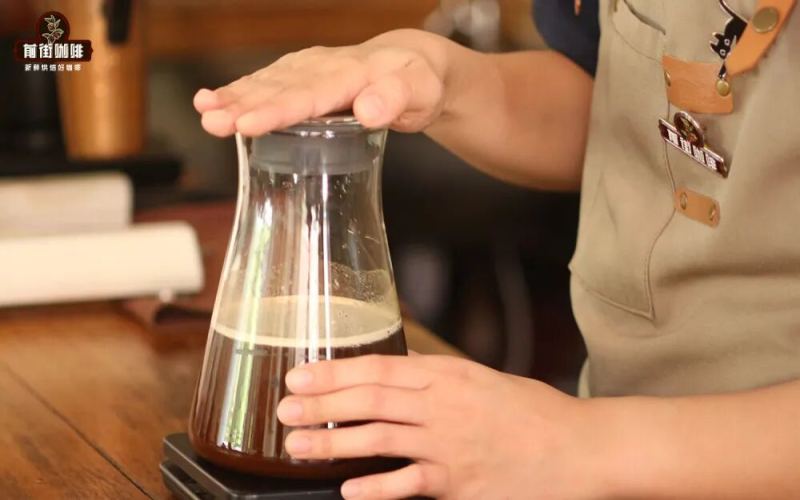
Cold brew coffee: room temperature water or warm water? Explaining why low-temperature extraction produces less acidity and a practical guide to fast extraction with warm water
Cold brew coffee has always been known for its long, low-temperature steeping, often requiring 5 to 24 hours when made with room-temperature water. To shorten the wait, some people have tried steeping coffee grounds in warm water. This article explores the differences between cold-water and warm-water extraction, the reasons why cold brew has lower acidity, and a warm-water cold brew comparison test using Front Street Coffee's Elida Catuai. It records the sensory differences between 3 hours in 45℃ warm water and 7 hours in room-temperature water, and offers bean selection advice and practical tips for warm-water cold brew. [more…]

Can You Make Cold Brew with Hot or Warm Water? Flavor Comparison Experiment of Quick-Extracted Cold Brew Coffee at Different Water Temperatures
Cold brew coffee usually requires 8 to 12 hours of low-temperature slow extraction, but what if you want to drink it the same day? Raising the water temperature can speed up extraction, but if you use hot water directly, it becomes hot brew, and the floral and fruity aromas and low bitterness unique to cold brew will also disappear. Front Street compared three methods through experiments: conventional 23°C cold water extraction for 10 hours, 40°C warm water extraction for 4 hours, and 92°C hot water blooming followed by room-temperature water extraction for 4 hours. The beans used were Colombia · Hanami, with full berry acidity, floral notes, and pink pepper flavors. The results showed that the 40°C warm water rapid cold brew was closest to the performance of conventional cold brew, with both a fermented feel and clearly presented flavors, making it suitable for friends who want to drink cold brew quickly. [more…]
Cold Brew Coffee Tutorial | How Long Does It Take to Make Cold Brew Coffee? Can Soaking Coffee Grounds in Warm Water Shorten the Cold Brew Making Time?
As one of the representatives of iced coffee, cold brew is usually made with room-temperature water (around 20–30°C), but because the extraction efficiency is low, a long steeping time is needed to extract more flavor compounds, so as to highlight the coffee's sweetness and body. Experienced friends know that making a pot (cup) of cold brew quickly [more…]
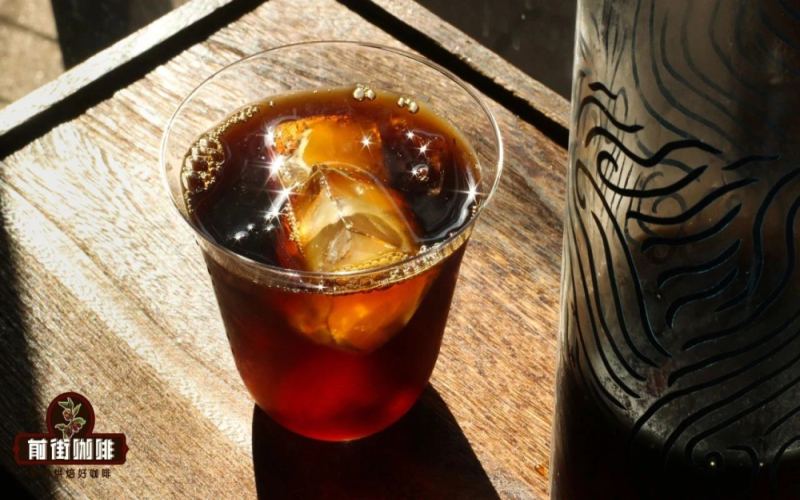
Warm Water Cold Brew Makes Coffee Sweeter: A Complete Guide to Making Cold Brew Coffee at Home
To enjoy a cup of cold brew coffee with outstanding sweetness at home, you actually don't need expensive equipment. Using 50 grams of coffee grounds as a baseline, Front Street Coffee shares the complete parameters from grind size and coffee-to-water ratio to refrigeration extraction time. Even more worth trying is using 40°C warm water instead of room-temperature water to make cold brew coffee—by relying on molecular thermal motion to accelerate the release of sweet and sour compounds, then transferring it to a low-temperature environment to inhibit the extraction of bitterness, you can get a full-bodied berry juice sensation and caramel sweetness in just 4 to 5 hours. This article records in detail the steps for warm-water cold brew, flavor comparisons, and storage suggestions, making it a useful reference for every enthusiast who enjoys refreshing cold coffee. [more…]

Cold Brew Shelf Life | How to Brew Cold Brew Coffee for Better Taste? Is Cold Brew Coffee Made with Warm Water Tastier? Introduction to Cold Brew Ratios and Parameters
For more specialty coffee knowledge, please follow: Front Street Coffee (Frontsteet Coffee). If you want to drink cold brew coffee but don't want to go out and buy it, then Front Street Coffee (FrontStreet Coffee) is here to teach you how to make cold brew coffee at home. Cold brew coffee is a [more…]
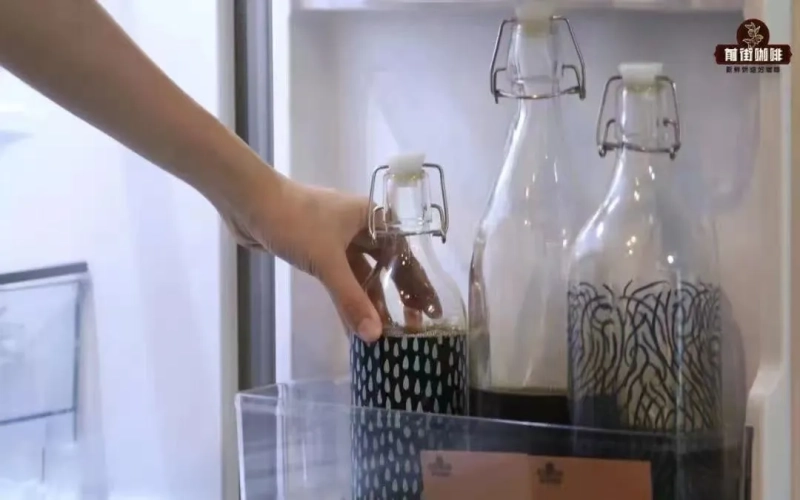
Cold Brew Coffee Shelf Life Fully Explained: How Long Is Best to Finish It Under Refrigeration and Sealed Storage?
More and more people are making cold brew coffee in the summer—brewing a big batch at once and keeping it in the fridge to drink slowly is indeed convenient. But problems come along with it: how many days can this batch of cold brew actually last? When does the flavor start to decline? When might it spoil? Front Street Coffee, drawing on hands-on testing experience, lays out clearly the shelf life of cold brew coffee, the optimal drinking window, the impact of how often it's opened, and the special precautions when using warm water to speed up extraction—helping you both enjoy good flavor and hold the safety line. [more…]

Why Does Cold Brew Coffee Taste Bitter and Astringent? Four Common Mistakes and a Detailed Guide to Steeping Time Parameters
Cold brew coffee is made by steeping coffee grounds in cold water for a long time. Because low-temperature extraction has a high tolerance for error, it usually does not over-extract easily. But in practice, many people still end up with cold brew that has obvious bitterness, muddled flavors, and astringency. The problem often lies in four areas: using hot water for blooming or warm water for steeping, choosing dark-roast beans, steeping for too long, and using too large a coffee-to-water ratio, which leads to too high a concentration. In this article, Front Street breaks down the extraction principles behind these improper practices one by one, and gives specific recommendations for regular water temperature, grind size, coffee-to-water ratio, and steeping time, while also explaining what scenarios the 1:10 and 1:12 ratios are suitable for. If your cold brew also tastes bitter, you may want to troubleshoot by comparing it against these points. Once you find the root cause, you can consistently make a smooth cup of cold brew coffee. [more…]
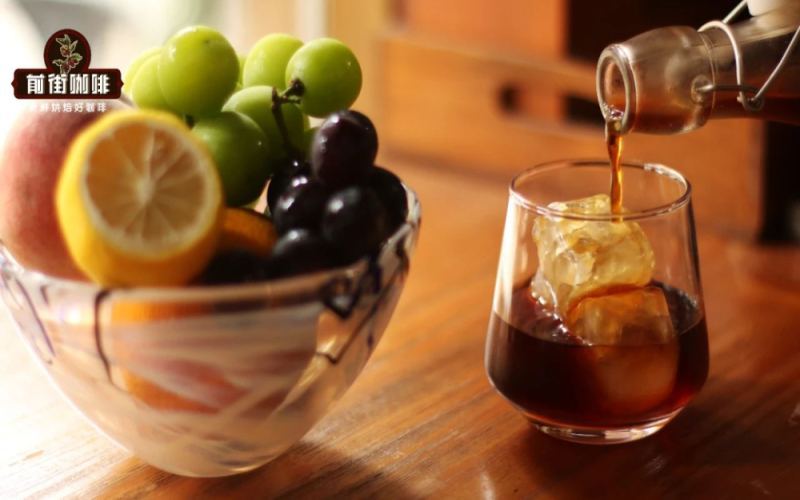
From Extraction Methods to Flavor Presentation: An In-Depth Analysis of Iced Americano, Cold Brew, and Cold Drip Coffee
In the heat of summer, iced coffee becomes the top choice for many. From the perspective of Front Street Coffee, this article systematically analyzes three popular iced drinks—iced Americano, cold brew, and ice drip coffee—covering their extraction processes, flavor characteristics, and practical brewing methods. Iced Americano uses hot water for rapid extraction plus ice, making it quick but relatively light in flavor; cold brew uses low-temperature long-time immersion to amplify purity; ice drip relies on cold water slowly filtering drop by drop to produce a smooth mouthfeel. The article not only details the specific steps for making iced Americano with Front Street Coffee's own Sunflower Warm Sun blend, various cold brew packs, and Sherry bean cold brew, but also reveals the ice drip blend recipes for single-origin beans such as Kenya, Huakui, and Sherry, providing coffee lovers with a professional and practical guide to summer cold drinks. [more…]
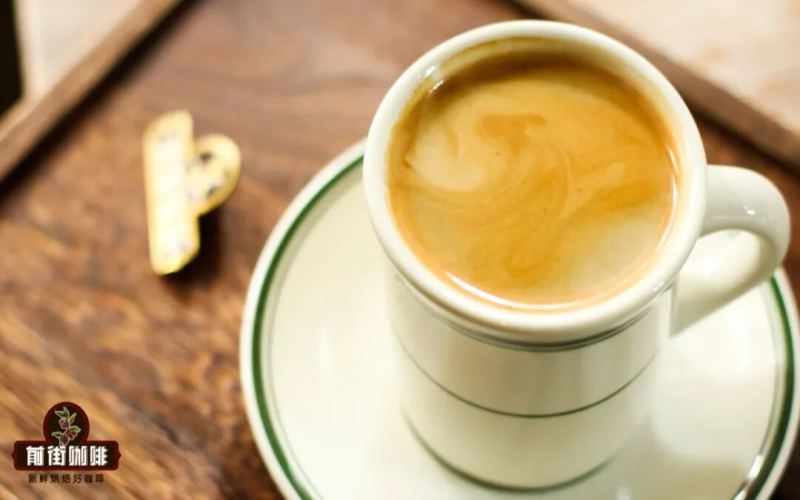
Espresso Coffee Brewing Methods | Why Is an Iced Americano from a Coffee Shop Warm After Removing the Ice? How Do You Make a Delicious Ice-Free Americano?
I wonder if any of you have ever ordered an "iced Americano without ice" at a coffee shop. If you have, then Front Street believes you were most likely puzzled by the coffee that was served. Why? Because the iced Americano without ice made by the vast majority of coffee shops differs somewhat from what you'd imagine. Regarding iced Americano without ice, what you'd imagine is [more…]
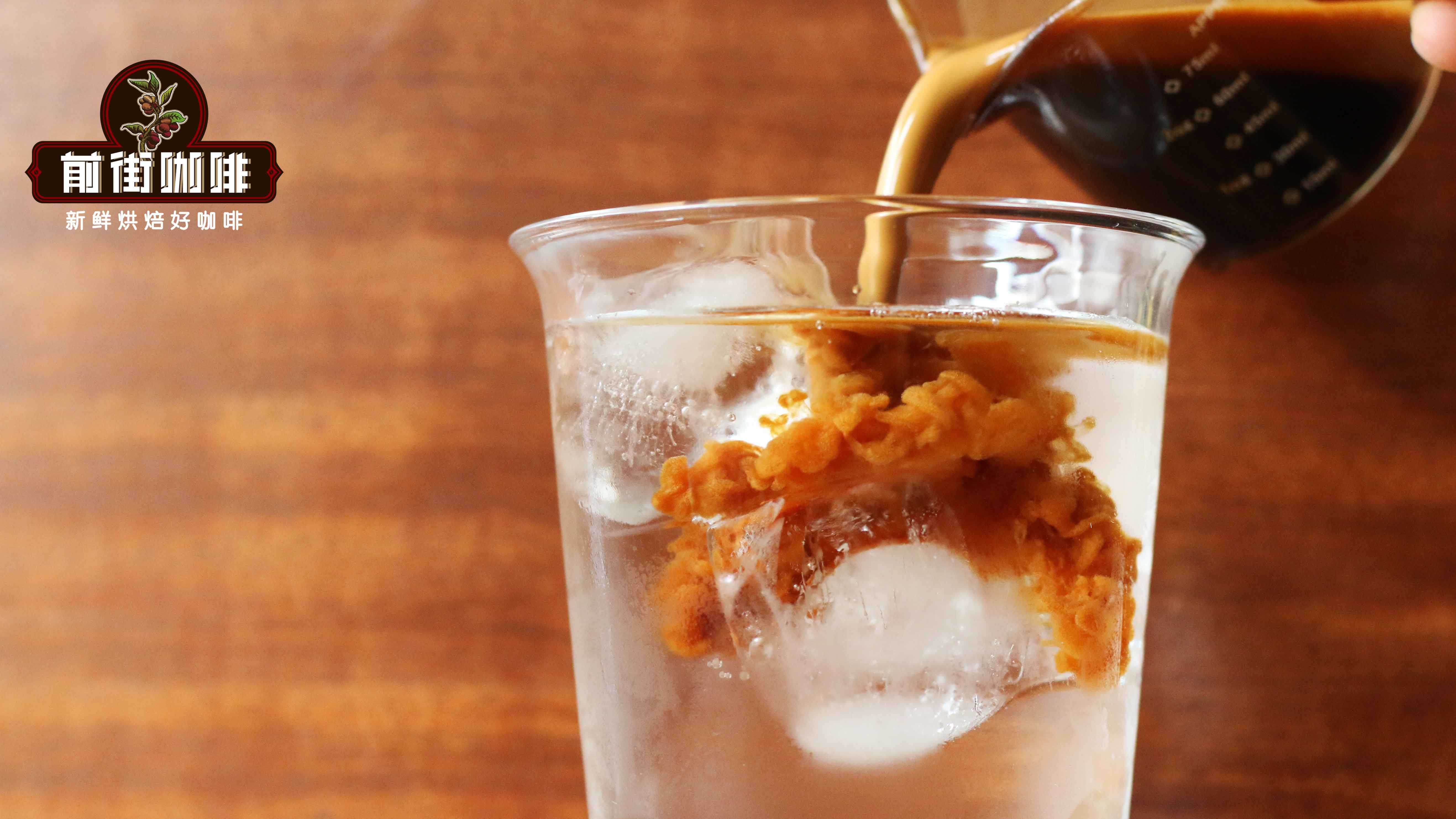
Iced Americano, Iced Pour-Over, Cold Brew, and Ice Drip: A Full Breakdown of the Craft, Time, and Flavor of Four Iced Coffees
More and more people are drinking iced coffee in summer, but can you really tell apart these four common types of iced coffee: iced Americano, iced pour-over, cold brew, and iced drip? Although they are all called iced coffee, there are actually considerable differences from extraction principles to preparation time, and then to the final flavor expression. This article sorts out the similarities and differences of these four kinds of iced coffee one by one from four dimensions: extraction method, preparation time, difficulty of home operation, and taste characteristics. The article also includes the specific brewing parameters and steps of Front Street Coffee, including practical plans for beans such as Front Street Sunflower Warm Sun, Fruit Ding Ding, and Strawberry Candy, to help you more clearly understand what kind of beans and scenarios each type of iced coffee is suitable for, and also make it convenient to replicate at home. [more…]
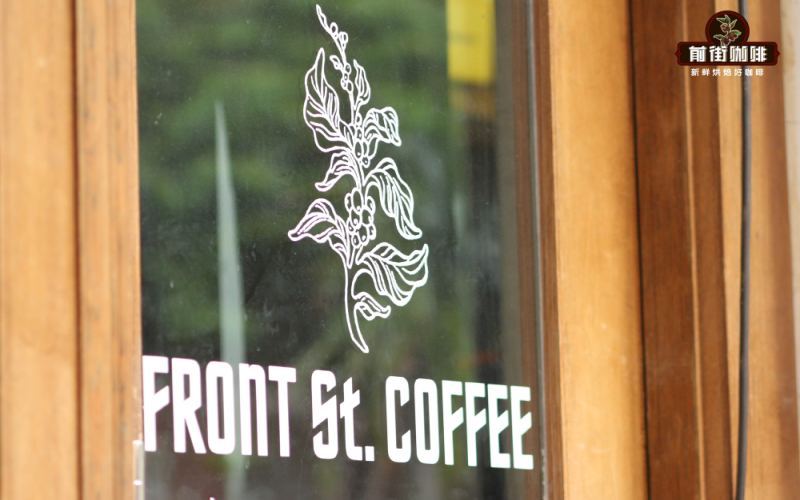
How to Make Milk-Brewed Coffee? From Bean Selection to Cold Brew, Front Street Shares a Practical Guide to Milk-Extracted Coffee
When water can no longer satisfy coffee enthusiasts' desire for exploration, milk becomes a new extraction medium. Is it reliable to brew pour-over coffee with milk? The answer is no—milk has high saturation, weak extraction power, and proteins denature when heated above 70 degrees. But with a different approach, cold-brewing milk coffee by soaking coffee grounds in milk at low temperature is entirely feasible: low temperatures won't spoil the milk, and the extended soaking time exactly compensates for the lack of extraction efficiency. This time, Front Street Coffee selected the medium-dark roasted Sunflower Warm Sun blend, paired with Guangming Fresh Pasture fresh milk, using a 1:8 coffee-to-milk ratio and soaking at low temperature for 12 hours, ultimately obtaining a cup of milk-brewed coffee with sherry wine aroma and chocolate milk flavors. Let's take a look at the specific steps and key details below. [more…]
Cold Brew Coffee | What are the differences between hot-brewed and cold-brewed coffee? Why does iced coffee taste better? Which coffee beans are suitable for cold brew?
For more specialty coffee knowledge, please follow our WeChat official account: FrontStreet Coffee. Tea is part of Chinese culture, while coffee has also gradually come into people's view and become one of the three major beverages, becoming an indispensable part of people's lives. As for the love of coffee [more…]
Why Is Cold Brew Iced Coffee Smoother? A Clear Explanation from Extraction Principles to Coffee Bean Selection
It's the same coffee grounds plus water, so why do hot brew and cold brew taste so different? Hot coffee is all about aroma and temperature, while cold coffee is a greater test of technique and quality. Starting from the definition, brewing methods, and chemical principles of cold brew coffee, this article compares the differences between hot and cold brewing in flavor, bitterness and acidity, and storage time, and explains why low-temperature slow extraction brings a softer mouthfeel. At the end, drawing on a range of single-origin beans and espresso blends from Front Street Coffee, it offers ideas on what coffee beans are suitable for cold brew, helping coffee lovers find their own cup of iced coffee in summer. [more…]
Can Warm Milk Extract Coffee? A Comparative Test of Three Coffee Beans to Help You Make Smooth Milk-Brewed Coffee
What kind of flavor performance would using warm milk instead of cold water to extract coffee bring? Front Street Coffee conducted a comparative experiment with three beans of different roast levels and found that the medium-roast bean, when soaked in warm milk, had both fruity aromas and chocolate notes, and its mouthfeel was the most appealing. But the experiment also revealed the problem that a milk temperature of 40°C combined with a granulated sugar grind size and a 3-hour soak easily led to over-extraction. For this reason, Front Street adjusted the plan, shortening the time to 1.5 hours and switching to Ethiopian Santa Vini beans, obtaining a smooth milk coffee interwoven with honey, pineapple, and cream biscuit notes. This article fully records the experimental process and tasting results, providing a reference for enthusiasts who want to try milk-extracted coffee. [more…]
Little difference between hot and cold coffee in refreshing effect; from the perspective of aroma, taste, and extraction principles, how should you choose between Americanos?
Many people assume that hot coffee is more effective at boosting alertness than iced coffee, but what really affects alertness is the caffeine content of the coffee beans themselves and how much of it is extracted during brewing. With the same beans, the longer the extraction time, the more caffeine is released, so when you need a quick pick-me-up, cold brew or pour-over drip are both viable options. Americano is currently the most popular coffee drink, and iced Americano accounts for the vast majority of those, but hot Americano performs better in aroma, flavor fullness, and body. Front Street Coffee used its Warm Sun blend to compare hot, room-temperature, and iced Americanos, and found that hot Americano had the best aroma, while iced Americano was more refreshing and smooth. This article, from the perspectives of the science of alertness, flavor differences, and brewing suggestions, helps you find the cup that suits you best. [more…]
Cold Brew Coffee Shelf Life | Why Is Cold Brew Coffee Less Acidic? How Long Can Cold Brew Coffee Be Stored? How to Make Standard, Delicious Cold Brew Coffee at Home?
For more specialty coffee knowledge, please follow: Front Street Coffee (Frontsteet Coffee) If someone hands you a cup of hot coffee and a cup of iced coffee, you will taste two different flavors, because when making coffee, changing the temperature affects how much soluble material water extracts. Compared with high-temperature hot [more…]
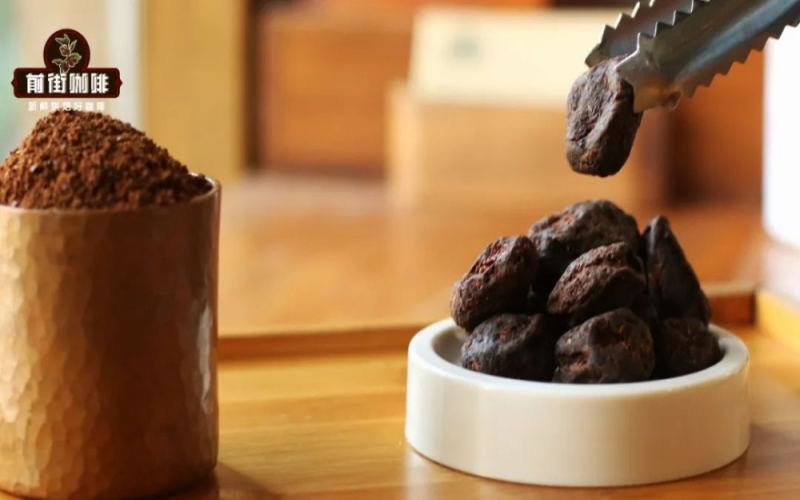
Three Iced Coffee Drinks with Preserved Plums: Comparing the Flavors of Cold Brew, Sparkling Americano, and Iced Pour-Over
The sweet, sour, and salty childhood snack of preserved plums actually makes frequent appearances in the world of coffee, too. From the dry aroma associations of Kenyan washed beans to the finishing touch baristas add when developing specialty drinks, the pairing of preserved plums with iced coffee is drawing attention from more and more enthusiasts. Since preserved plums are mostly dried and cured, heating or prolonged steeping releases a strong salty-sour flavor, so Front Street believes they are better suited to being combined with iced coffee. This article compiles three preserved plum iced coffee recipes you can make at home: preserved plum cold brew, preserved plum sparkling Americano, and preserved plum iced pour-over, using Panama sun-dried Butterfly, Sunflower Warm Sun blend, and Elida sun-dried Catuai respectively, with specific parameters and flavor descriptions included for readers with different taste preferences to refer to and choose from. [more…]
Pour-Over Coffee Heat Retention and Hot Milk Coffee Temperature Control Guide: How to Slow Cooling Without Ruining Flavor
When the temperature drops, coffee cools down noticeably faster, and its enjoyable drinking window shortens accordingly. Once hot coffee goes cold, it often no longer tastes good—for example, Front Street PWN Golden Mandheling tends to turn bitter, while Front Street Yirgacheffe becomes more sharply acidic. This article addresses three questions: whether pour-over coffee can be kept warm in a thermos, why coffee's flavor deteriorates after it cools, and what temperature milk in a latte should be steamed to. It also offers practical tips, including moderately raising the water temperature and milk temperature, preheating equipment, covering and sealing, and using a thermos for short-term storage of pour-over coffee, to help you extend the time your coffee stays tasty without ruining the extraction or mouthfeel. [more…]
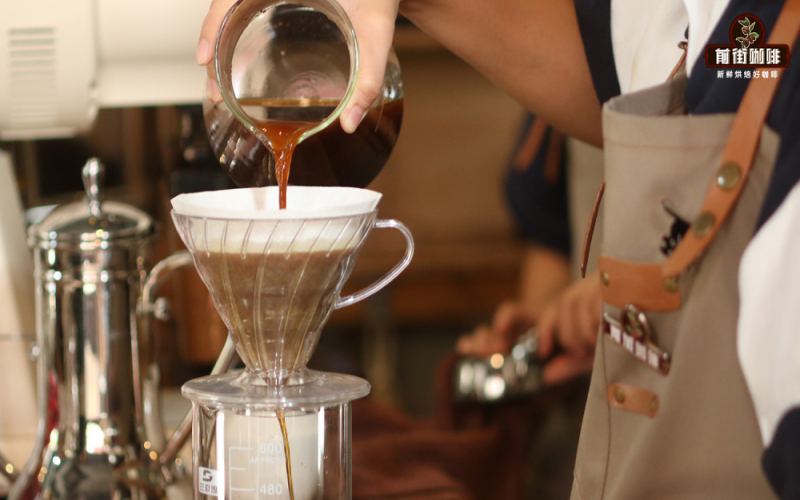
How to Choose Coffee Beans for Cold Brew? A Detailed Guide to Coffee-to-Water Ratio and Brewing Steps, with Three Recommended Beans
As the weather gradually warms up, a refreshing glass of cold brew coffee becomes a favorite for many coffee lovers. Cold brew is simple to make and easy to do at home, but choosing the right coffee beans is what really makes the flavor stand out. This article uses Front Street Coffee's cold brew method as an example to explain in detail the key parameters such as coffee-to-water ratio, grind size, and steeping time, and recommends three coffee beans suitable for making cold brew: Panama Butterfly, Ethiopia Yirgacheffe Red Cherry Project, and Costa Rica Musician Series Mozart. Whether you're after clean floral notes or prefer fermented winey aromas, you'll find the one that suits you. [more…]
How to Choose Americano Coffee Beans That Aren't Sour? A Full Analysis of Hot vs. Cold Differences and Pour-Over Comparison
When many people drink Americano, their biggest concern is whether it is sour or bitter, and this is actually closely related to the choice of coffee beans, the extraction method, and the drinking temperature. Starting from Front Street Coffee's brewing experience, this article systematically sorts out the relationship between espresso and Americano, explains in detail the differences in flavor expression between hot Americano and iced Americano, analyzes the common reasons why Americano tastes bitter, and compares pour-over and SOE Americano made separately from the same Costa Rica Mozart coffee beans. Finally, according to different needs, it introduces the characteristics of several Front Street espresso blend coffee beans to help you find the Americano beans that suit your taste. [more…]